
Instruments We Teach
Violin
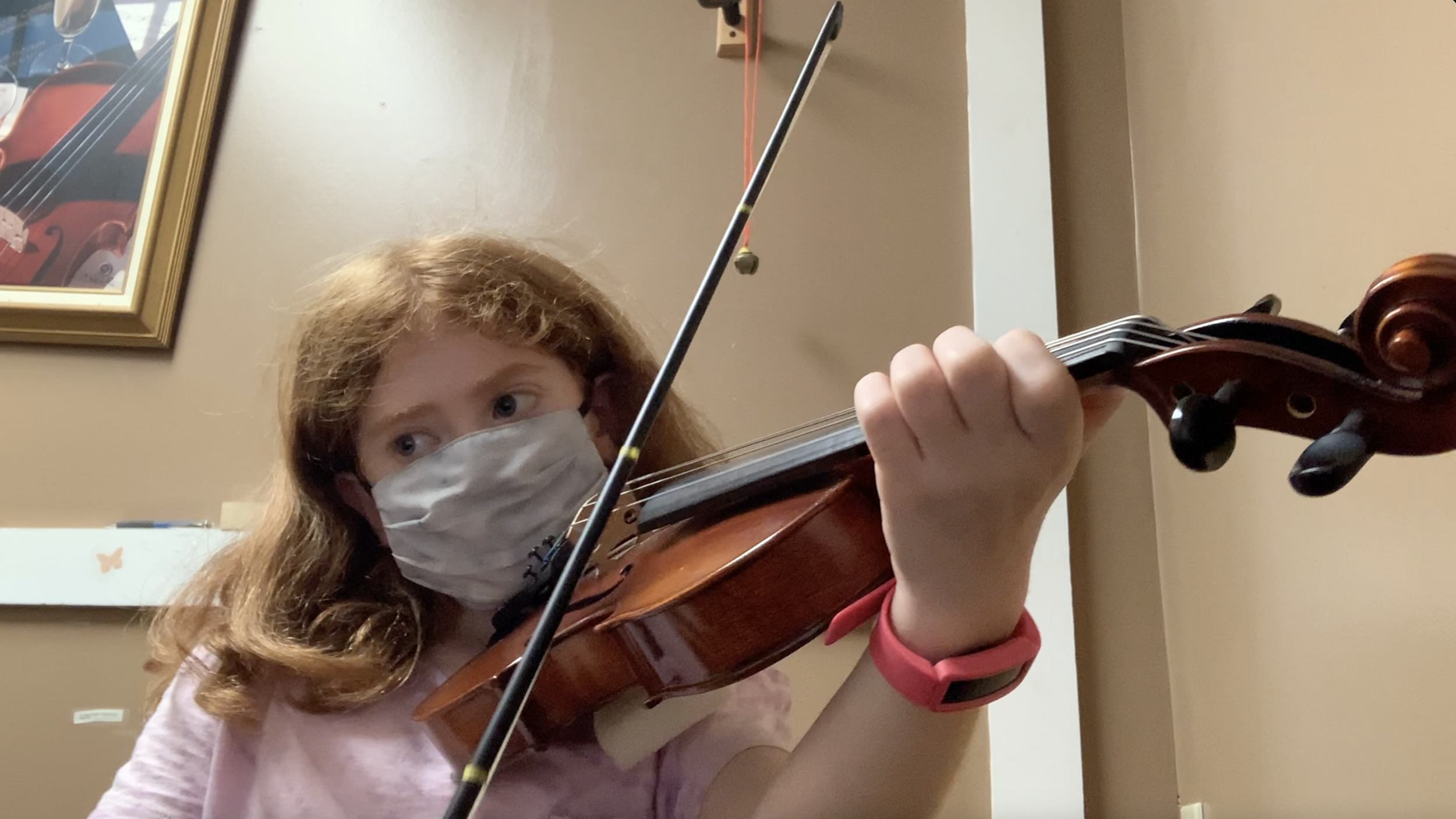
Violin lessons are available for children and adults, with most young beginners starting around age five, when basic motor skills and focus are developed.
Lessons are fun, interactive, and engaging, using games, movement, and clear structure for younger students, while offering goal-oriented instruction for teens and adults.
Instruction is rooted in the Suzuki method, emphasizing listening, repetition, and steady progress at every stage of learning.
Parent involvement is encouraged for younger students, while older students and adults receive guidance on building effective, independent practice habits.
Each lesson balances technique, musicality, and enjoyment, supporting both beginners and experienced players in a positive learning environment.
Viola
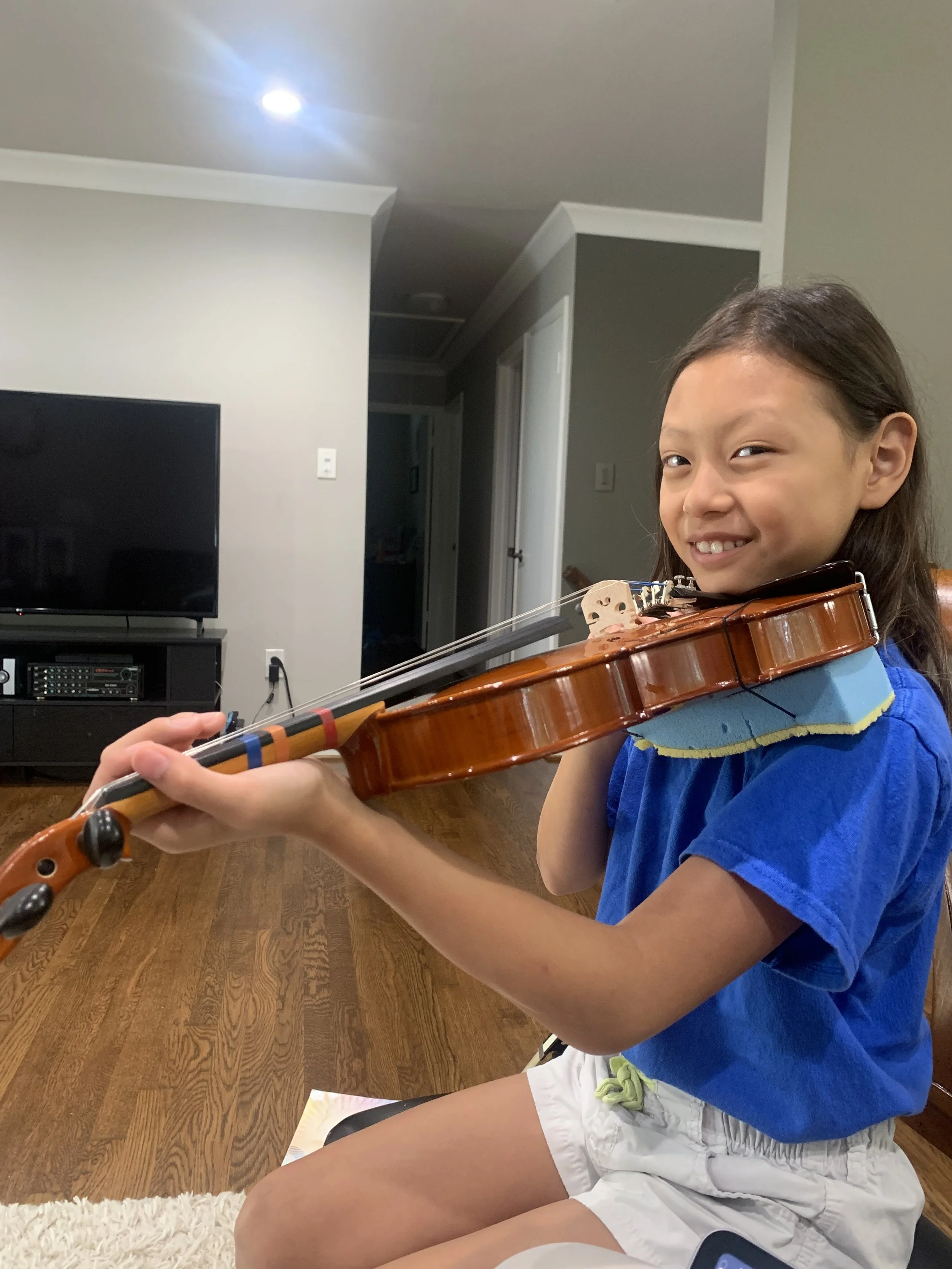
Viola lessons are offered for students and adults who are ready for structured instruction on the instrument.
Instruction is rooted in Suzuki pedagogy, focusing on careful listening, strong foundational technique, and consistent, incremental progress.
Lessons are interactive and engaging, encouraging active participation, musical awareness, and expressive playing.
Teaching is tailored to each student’s experience level and personal goals, whether learning for enjoyment or continued musical development.
Our teachers create a supportive and structured environment that helps viola students grow with confidence, consistency, and joy.
The Suzuki Method
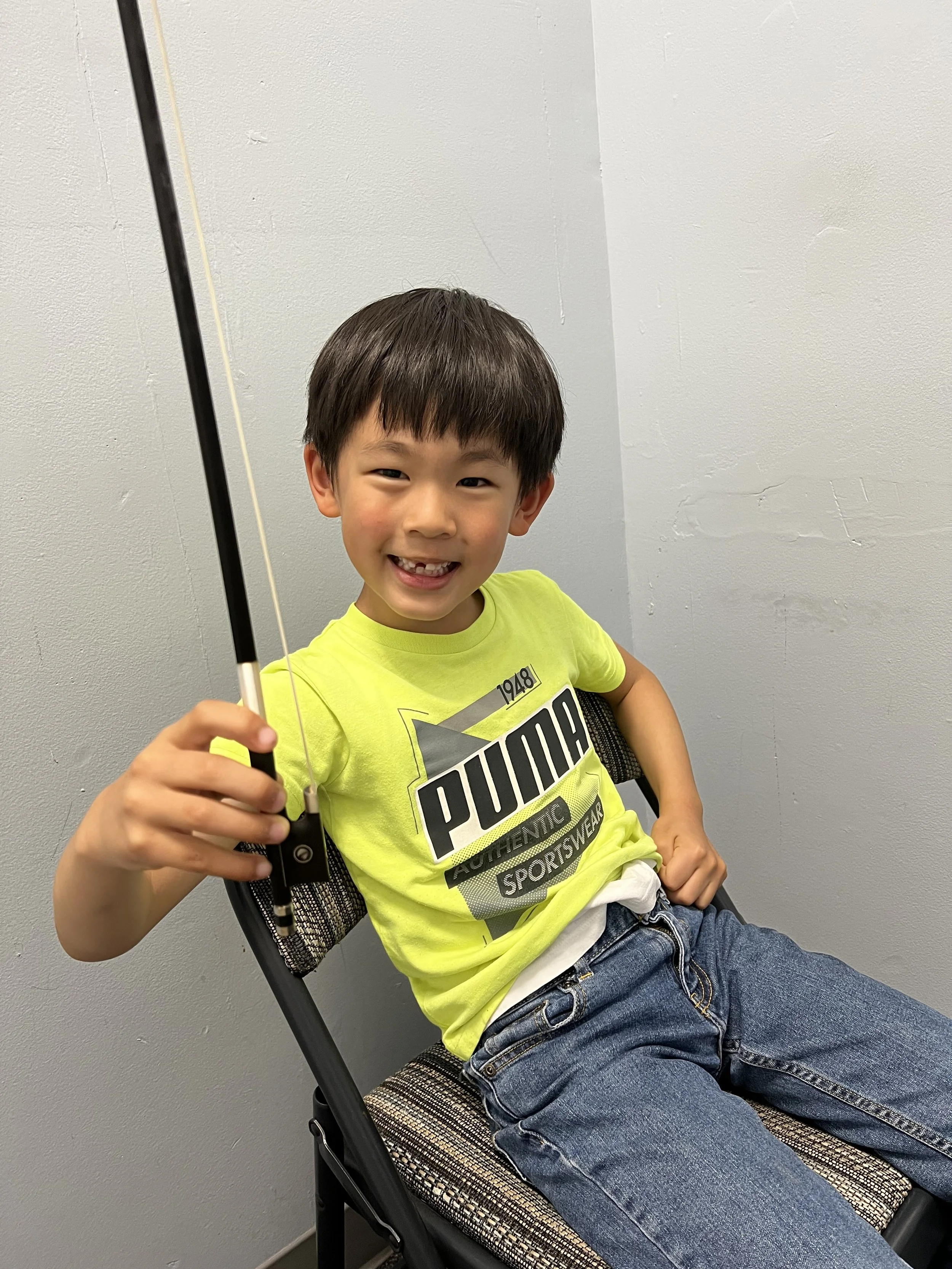
The Suzuki Method, developed by Shinichi Suzuki, is a music education approach based on the belief that musical ability can be nurtured in all children, much like language. It emphasizes starting music education early—often around age three—and using a "mother-tongue" approach, where children learn by listening, imitating, and repeating, much like they do when learning to speak.
A key feature of the Suzuki Method is its emphasis on parental involvement. Parents are encouraged to actively participate in their child's learning process, attending lessons, observing, and helping with daily practice at home. This collaboration fosters a strong connection between the child, the teacher, and the family, and provides essential support for the child's musical development.
The Suzuki Method also focuses on gradual, step-by-step learning. Students start with simple pieces and build their skills progressively, ensuring mastery of each level before moving on to more complex material. This approach encourages confidence and a sense of accomplishment, as students experience consistent, manageable success. The method also places a strong emphasis on positive reinforcement, creating a nurturing environment where students are praised and encouraged to keep progressing.